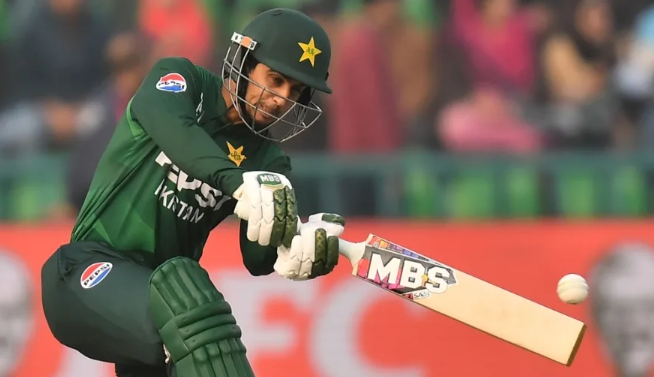

Live cricket creates a constant stream of numbers. The score changes, the required rate moves, a batter’s strike rate rises or falls, and betting prices can shift after almost every delivery. When all of those figures appear together on a phone, it is easy to read movement as meaning. A number that shortens may feel as though it is announcing what will happen next. It is not. It is a current value produced by a market at a particular moment. For anyone following live cricket, separating a displayed price from a forecast makes the screen easier to read and reduces the temptation to treat every change as a signal.
A live price describes the market now
On a page built around desi cricket live betting online, the number beside a market should be read as a current price, not a promise about the next ball, over, or innings. It can react to the score, wickets, required rate, player availability, or other information reaching the market. The same number can move again seconds later. That does not mean the earlier value was a hidden prediction that became wrong. It means the market state changed. Treating the display this way keeps it in the same category as other live information: useful for describing the present, limited as a statement about the future.
This distinction becomes especially useful during a fast chase. Two boundaries can change the score and required rate quickly, but the match can turn again with one wicket. A moving price may reflect that uncertainty rather than remove it. Viewers who attach too much meaning to each movement can end up reacting to the screen instead of following the cricket itself.
The scoreboard still provides the clearest context
Before looking at any live market, read the match state. The score, wickets remaining, target, balls left, recent overs, and players at the crease explain far more than a single changing number. A price without that context can look dramatic even when the match situation has barely moved. Conversely, a small price change may sit beside a major tactical shift that has not yet been obvious to a casual viewer. The scoreboard does not predict the result either, but it gives the facts needed to understand why the match feels different from ten minutes earlier.
Cricket also contains periods where the same score can mean different things. A slow over may suit one team if wickets are preserved and conditions are difficult. The same over can hurt badly when the required rate is already climbing. Reading the match through context rather than isolated figures helps prevent a betting interface from becoming the main narrator of the game.
Recent events can distort judgment
A wicket, dropped catch, six, or close review can make the last few seconds feel larger than the rest of the innings. That reaction is natural, but it can lead to overconfidence. After a dramatic ball, people may assume the match has permanently changed direction even when plenty of time remains. Live prices often move at the same moment, which can make the feeling stronger. A short pause helps separate the emotional reaction from the actual match state. There is no need to act simply because the screen changed quickly.
Questions worth asking before treating a number as meaningful
- What changed in the score or match state immediately before it moved?
- Is the displayed value current, delayed, or temporarily suspended?
- Has the video stream reached the same ball as the score service?
- Is the reaction based on one delivery or a longer passage of play?
- Would the same decision make sense without the excitement of the last ball?
- Is the spending amount already fixed before the match continues?
A fixed budget removes one moving number from the screen
Adults who choose to bet where it is legal can make one number completely stable before the match starts: the spending limit. That amount should not rise after a win, a loss, or a close finish. Rent, groceries, medicine, transportation, debt payments, education costs, and family expenses should remain outside the session. A fixed limit turns the budget into a boundary rather than another figure reacting to the match. It also makes stopping clearer because the end point was decided before emotions became involved.
Time deserves the same treatment. A person who planned to watch one innings should not feel required to stay because a previous decision went badly. If the session starts to feel urgent, repetitive, or focused on recovering money, closing the betting page is more sensible than waiting for the next delivery to fix the mood.
Cricket is easier to follow when every number stays in its place
A live match already asks the viewer to process scores, rates, partnerships, overs, and tactical changes. Betting prices add another layer, but they should not be mistaken for a clearer version of the future. They describe a market at one moment and can change as quickly as the match itself. The more useful habit is to read the scoreboard first, check whether the data sources are synchronized, and keep any wagering decision inside limits set before play. Numbers are most helpful when their purpose is clear. The score tells what has happened. The price tells what the market currently offers. Neither can guarantee the next ball.


 By