
Ethical fashion movements unite established hubs with grassroots efforts to reform how garments are made and sourced. They emphasize fair wages, safe working conditions, and verifiable supply-chain accountability. Brands increasingly rely on audits, traceability, and transparent reporting to prove progress. Independent assessments and accessible impact data empower consumers to pressure for improvements. The result is a landscape of measurable, scalable change, yet persistent gaps invite ongoing debate and scrutiny. The next steps matter for all stakeholders.
What Is Ethical Fashion Worth Fighting For
Ethical fashion is worth fighting for because it addresses the human and environmental costs embedded in garment production.
The discussion centers on accountability within the supply chain and the protection of labor rights, ensuring fair wages and safe conditions.
Clarity emerges when standards are transparent, verifiable, and enforceable, enabling consumers to demand responsible sourcing without compromising personal freedom.
Global Movements: From Hubs to Grassroots Initiatives
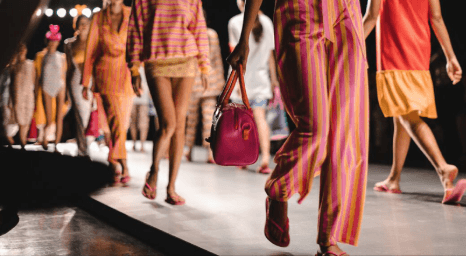
Global fashion movements span a spectrum from established hubs to community-led initiatives, illustrating how ethical practices can scale without sacrificing local context. Across regions, collaborations empower global artisans and elevate supply chain ethics, balancing market reach with situational integrity. Detached observers note innovations in cooperatives, transparent sourcing, and shared standards, highlighting freedom to choose responsible models without erasing cultural specificity or local governance.
How Brands Verify Fair Practices and Transparency
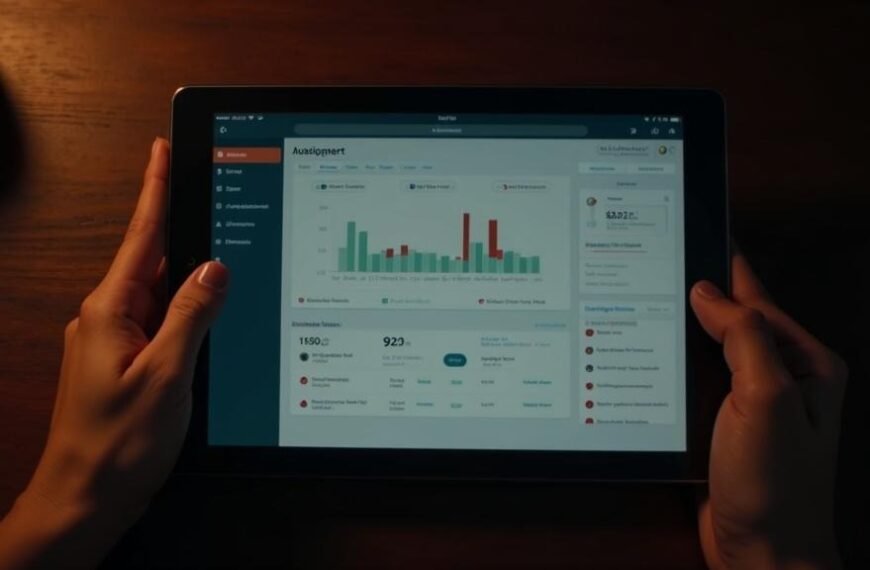
Brands verify fair practices and transparency through a structured combination of audits, traceability, and stakeholder engagement. Independent supply chain auditing uncovers labor risks, while transparent data mapping reveals origins and conditions. Continuous reporting builds accountability, enabling worker empowerment and remediation. Publicly accessible standards align brand promises with practice, ensuring supplier compliance, ethical sourcing, and measurable improvements across facilities, regions, and product lines.
How Consumers Drive Change and What to Look For
Consumers increasingly influence ethical fashion by demanding tangible improvements and transparent reporting from brands.
The observer notes that consumer actions create pressure for measurable progress, not promises.
Attention centers on what to look for: clear supply chain visibility, verifiable audits, and accessible impact data.
This dynamic highlights consumer impact as a catalyst for accountability, collaboration, and continuous improvement across industries.
See also: What Happens When You Lose Your Private Key?
Frequently Asked Questions
How Do Cultural Differences Shape Ethical Fashion Standards Worldwide?
Cultural differences shape ethical fashion standards through diverse cultural rituals and regional labor norms, influencing expectations and practices worldwide. These factors affect supplier choices, certification demands, and transparency efforts, guiding brands toward contextually appropriate, respectful approaches that honor local norms.
Which Certifications Most Reliably Indicate Real Workers’ Welfare?
Silence signs the answer: certifications, though imperfect, most reliably indicate real worker welfare when backed by rigorous audits and transparent reporting. Certification validity hinges on independent inspection, cadence of updates, and robust worker welfare indicators across supply chains.
Can Sustainable Materials Offset High Production Emissions?
Sustainable materials alone cannot fully offset production emissions; they can reduce impact, yet alas, reductions must be paired with energy efficiency, cleaner fuels, and process innovations. Transparency requires precise accounting and ongoing improvements, enabling freedom to choose lower‑impact options.
How Does Labor Union Strength Affect Factory Compliance?
Labor unions strengthen factory compliance by enforcing ethical standards and certifying workers’ welfare; cultural differences shape enforcement. Strong unions reduce production emissions and true cost concerns, while sustainable materials influence certifications, yet low income consumers remain sensitive to price.
What Is the True Cost of Ethical Fashion for Low-Income Consumers?
The true cost of ethical fashion for low-income consumers hinges on wage transparency and cost transparency, revealing hidden charges; while freedom-seeking buyers gain clarity, low-income households still bear burdens when supply chains obscure fair compensation and price allocation.
Conclusion
Ethical fashion movements, sprawling from dazzling hubs to humble workshops, are a global tidal wave reshaping how garments are made and worn. Transparency and audits illuminate every seam, proving fair wages and safe conditions aren’t wishful thinking but measurable realities. Brands compete not for bells and whistles but for traceable integrity. Consumers, armed with impact data, steer demand with precision. The result is a remarkably practical, relentlessly hopeful transformation that keeps fashion honest, connected, and dramatically accountable.


 By
By